Chicken Carbonara – thermalcookware.com

Chicken Carbonara

There is no need to precook the pasta in this dish.

Ingredients:
Meat Balls
400 grams of chicken mince
2 cloves of garlic 1 egg
1 tablespoon of finely chopped parsely
1 tablespoon of flour
A pinch of salt and pepper
Sauce
2 tablespoons of oil
2 onions coarsely chopped
1 stick of celery sliced
2 zucchini’s sliced
1 x 500 ml jar of carbonara sauce
500 ml of chicken stock
1/2 a cup of fresh parsely chopped
Salt and pepper to taste
1 1/2 cups of spiral pasta
Grated cheese to serve.

Simmering time on the stove top: 4 minutes

Thermal Cooking time: 1 hour minimum

Method:
1. Mix together the chicken mince, garlic, egg, finely chopped parsely, flour, salt and pepper.
2. Seperate into small portions.
3. Roll these portions into balls approximately 2 cm in diameter.
4. Heat 1 tablespoon of oil in the inner saucepan over a low-medium heat.
5. Brown half the meat balls and place them to one side.
6. Brown the other half of the meat balls and place them with the rest.
7. Add the other tablespoon of oil to the saucepan and brown the onions over a low heat for 2-3 minutes.
8. Add the garlic and celery and continue to cook for a few minutes until the onions start to clear and soften.
9. Add the zucchini and stir fry for a further minute.
10. Add the meat balls back into the saucepan and stir in the Parsely.
11. Add the carbonara sauce and the stock.
12. Bring the mixture to the boil.
13. Turn down the heat and simmer gently for 3 minutes.
14. Add the pasta to the simmering sauce and continue to simmer a further minute with the lid on.
15. Turn off the heat and transfer the saucepan into the vacuum insulated outer container.
16. Close the lid and leave for a minimum of 1 hour.
17. Serve with grated cheese and a tossed green salad of your choice.

http://shuttlechef.com/main.php?mod=Recipe&file=View&id=215

Thai Green Curry Chicken – thermalcookware.com

Thai Green Curry Chicken

A delightful mild curry chicken that has so much flavour.

Ingredients:
1 tablespoon of Oil
500 grams of sliced Chicken Fillets
3 tablespoons of Green Curry Paste (Valcom Brand is wonderful) NOTE: You can increase or decrease the amount of curry paste to suit your own requirements.
400 ml tin of Coconut Cream
2 tablespoons of Fish Sauce
2 teaspoons of Sugar
1 cup of chopped Pumpkin
1 cup of Green Beans (you can use dried or frozen also)
1 cup of fresh Basil Leaves, chopped
2 Kaffir Lime Leaves or 1 cup of freshly chopped Coriander
Fragrant Rice to serve.
NOTE: The supermarkets have excellent Basil and Coriander pastes that can be substituted if required.

Simmering time on the stove top: 5 minumtes

Thermal cooking time: 30 minutes minimum

Method:
1. Stir fry the curry paste in the oil over a low heat, until fragrant.
2. Add the chicken and pumpkin then stir fry over a medium heat for a few minutes.
3. Add the remaining ingredients, lower the heat and slowly bring it to the boil.
4. Put the lid on and simmer gently for 5 minutes.
5. Turn off the heat and transfer the pot into the outer insulated container and close the lid.
6. Leave for a minimum of 30 minutes.
7. Serve on a bed of fragrant steamed rice.
NOTE: If you are using the double pot Thermal Cooker you can be cooking the rice at the same time in the second pot.

http://shuttlechef.com/main.php?mod=Recipe&file=View&id=14

Corn and Pork Ribs Soup – youcookieat.com

Corn and Pork Ribs Soup (from the “The Adventure of Ms J & Mr P” youcookieat.com)

We grew up drinking lots of soup made by mummy. Asian mum loves to make soups. Soups are nutritious and they really warms your heart. Hope this Corn and Pork Rib Soup will warm yours too!

Preparation Time: 8 mins
Cooking Time: 10 mins
Waiting Time: 2-3 hours

Ingredients:
1 Carrot
1 Tomato
2 Sweet Corns
1 small bit of young ginger
1/2 kg Pork Ribs

Preparation:
1. Cut the tomato into wedges. (4 or 6 wedges, up to you)
2. Break the corns into 3 pieces.
3. Cut the carrots into little chunks.
4. Clean the ginger by getting rid of the skin and cut them in big pieces.

5. Prepare the pork by boiling a pot of water and boil the pork for 5 mins then drain.

6. Pour all the ingredients into the pot with 1.5 litres of water.

7. If you are like us, we like using Thermal Pots. This is an OEM brand which is cheaper. You can get Tiger or Le Gourmet brands which cost 3 or 4 times more, and yet work the same.

We boil the above for 5 mins and then turn it off and transfer the pot into the Thermal Pot. Wait for 2 or 3 hours.

8. When we are ready to serve, we take out the pot, boil it again for a few minutes and then serve. Add salt to your taste.

We usually prepare the soups on Saturday mornings around 9 AM. We will drink the soup at noon. We like using Thermal pots because we do not need to care about the fire.

If you realise, we use an induction cooker too! Induction cooker converts 80-90% of energy to heat, compare to other types of cooking methods (eg gas flame, hot plates) that usually only use 45% of the energy and the rest wasted.

For those interested:
Carrot: Daucus carota subsp. sativus
Domestic Pig: Sus scrofa domestica
Ginger: Zingiber officinale
Sweet Corn: Zea mays var. rugosa
Tomato: Solanum lycopersicum

http://archives.starbulletin.com/2008/06/04/features/electric.html

These recipes are written for standard cooking on a stovetop or in an oven. To adapt them for a thermal cooker, use the same ingredients and follow the same steps, using the inner thermal pot.

Bring ingredients to a boil, making sure the internal temperature of the meat reaches 203 degrees (this may require 10 minutes of boiling). Place the inner pot into the insulated outer thermal pot; seal and let sit for the same amount of time as called for in the original recipe.

Sweet-Sour Spareribs
5 pounds spareribs
2 tablespoons soy sauce
1/4 cup flour
1/4 cup vegetable oil
2 cloves garlic, crushed
2 small pieces ginger, crushed
2/3 cup apple cider vinegar
1-1/2 cups water
1 cup brown sugar
2 teaspoons salt

Cut spareribs into 1-1/2-inch pieces. Sprinkle with soy sauce and flour; mix gently.

In large saucepan, heat oil. Brown spareribs with garlic and ginger; drain fat.

Add remaining ingredients and simmer 55 minutes to 1 hour. Serves 6.

Approximate nutritional analysis, per serving: 900 calories, 62 g total fat, 21 g saturated fat, 185 mg cholesterol, 1,300 mg sodium, 41 g carbohydrate, no fiber, 35 g sugar, 41 g protein

Chinese-StyleOxtail Soup
2 pounds oxtail pieces
2 quarts water
2 large carrots, in 2-inch pieces
1 cup shelled raw peanuts
5 dried red dates
2 teaspoons salt

Put oxtail pieces into large sauce pot; add water to cover. Boil 5 minutes; drain and rinse oxtail pieces.

Add 2 quarts water and remaining ingredients. Cover and bring to boil; simmer 2-1/2 to 3 hours. Serves 6.

Approximate nutritional analysis, per serving: 250 calories, 17 g total fat, 4 g saturated fat, 40 mg cholesterol, 800 mg sodium, 8 g carbohydrate, 3 g fiber, 3 g sugar, 18 g protein.

Baked Beans with Portuguese Sausage
1 pound Portuguese sausage
1 can (1 pound, 15 ounces) pork and beans
1 can (15 ounces) kidney beans, drained
1 large onion, chopped
1 cup ketchup
2 tablespoons Worcestershire sauce
1/3 cup brown sugar
3 tablespoons dark molasses
1 tablespoon mustard
1/2 teaspoon vinegar

Preheat oven to 350 degrees.

Cook sausage in water 10 minutes; drain and slice.

Put sausage, beans and onion into 3-quart baking dish. Combine remaining ingredients and stir into bean mixture. Bake, uncovered, 1 hour. Serves 10.

Approximate nutritional analysis, per serving: 350 calories, 14 g total fat, 4.5 g saturated fat, 25 mg cholesterol, 1,250 mg sodium, 45 g carbohydrate, 7 g fiber, 23 g sugar, 16 g protein

Hawaiian Electric Co. presents this weekly collection of recipes as a public service. Many are drawn from HECO’s database of recipes, accessible online at www.heco.com.

Dream-Pot has added a number of recipes to their site

WONDER BOX RECIPE BOOKLET

WONDER BOX

RECIPE BOOKLET

INDEX

Babies – - – - – - – - – - – - – - – - – - – - – - – - – - – - – - – - – - – - – - – - – - 2, 11, 14, 15

Bobotie – - – - – - – - – - – - – - – - – - – - – - – - – - – - – - – - – - – - – - – - – - – - – -    1, 6

Boiled egg – - – - – - – - – - – - – - – - – - – - – - – - – - – - – - – - – - – - – - – - – - – -       4

Bread – - – - – - – - – - – - – - – - – - – - – - – - – - – - – - – - – - – - – - – - – - – - – - -   8, 12

Carrot jam – - – - – - – - – - – - – - – - – - – - – - – - – - – - – - – - – - – - – - – - – - – - – - – 8

Christmas – - – - – - – - – - – - – - – - – - – - – - – - – - – - – - – - – - – - – - – - – - – - – - – -9

Christmas pudding  – - – - – - – - – - – - – - – - – - – - – - – - – - – - – - – - – - – - – - – - 9

Cooking whole soya beans – - – - – - – - – - – - – - – - – - – - – - – - – - – - – - – - -10

Cultivation – - – - – - – - – - – - – - – - – - – - – - – - – - – - – - – - – - – - – - – - – -2, 11, 15

Curry – - – - – - – - – - – - – - – - – - – - – - – - – - – - – - – - – - – - – - – - – - – - – - -5, 7, 12

Doughnuts – - – - – - – - – - – - – - – - – - – - – - – - – - – - – - – - – - – - – - – - – - – - -7 – 8

Dried Fruit – - – - – - – - – - – - – - – - – - – - – - – - – - – - – - – - – - – - – - – - – - – - – - – - 9

Facts about soya beans – - – - – - – - – - – - – - – - – - – - – - – - – - – - – - – - – - – - 11

Fasoulia – - – - – - – - – - – - – - – - – - – - – - – - – - – - – - – - – - – - – - – - – - – - – - – -  13

Fish – - – - – - – - – - – - – - – - – - – - – - – - – - – - – - – - – - – - – - – - – - – - – - – - – - 12,14

Fresh soya beans – - – - – - – - – - – - – - – - – - – - – - – - – - – - – - – - – - – - – - – - – -14

Ham – - – - – - – - – - – - – - – - – - – - – - – - – - – - – - – - – - – - – - – - – - – - – - – - – - – - 6

Jam  – - – - – - – - – - – - – - – - – - – - – - – - – - – - – - – - – - – - – - – - – - – - – - – - -  – - -8

Joints – - – - – - – - – - – - – - – - – - – - – - – - – - – - – - – - – - – - – - – - – - – - – - – - – - – -6

Macaroni – - – - – - – - – - – - – - – - – - – - – - – - – - – - – - – - – - – - – - – - – - – - – - – - 4

Mieliemeel – - – - – - – - – - – - – - – - – - – - – - – - – - – - – - – - – - – - – - – - – 1,4,12,15

Noodles – - – - – - – - – - – - – - – - – - – - – - – - – - – - – - – - – - – - – - – - – - – - – - – - – 4

Nutty soya snacks – - – - – - – - – - – - – - – - – - – - – - – - – - – - – - – - – - – - – - – - – 13

Oxtail – - – - – - – - – - – - – - – - – - – - – - – - – - – - – - – - – - – - – - – - – - – - – - – - – - -  6

Porridge – - – - – - – - – - – - – - – - – - – - – - – - – - – - – - – - – - – - – - – - – - – - – -1, 3, 4

Poultry – - – - – - – - – - – - – - – - – - – - – - – - – - – - – - – - – - – - – - – - – - – - – - – - – - -6

Pulp – - – - – - – - – - – - – - – - – - – - – - – - – - – - – - – - – - – - – - – - – 6, 7, 9, 12, 13, 15

Rice – - – - – - – - – - – - – - – - – - – - – - – - – - – - – - – - – - – - – - – - – - – - – - – - – - – - – 4

Soup – - – - – - – - – - – - – - – - – - – - – - – - – - – - – - – - – - – - – - – - – - – - – - – - – 1, 5, 6

Soya beans – - – - – - – - – - – - – - – - – - – - – - – - – - – - – - – - – - – -  1, 2, 6, 8, 16, 20

Soya milk – - – - – - – - – - – - – - – - – - – - – - – - – - – - – - – - – - – - – - -2, 10, 11, 14, 15

Soya vetkoekies – - – - – - – - – - – - – - – - – - – - – - – - – - – - – - – - – - – - – - – - – - – 12

Spaghetti – - – - – - – - – - – - – - – - – - – - – - – - – - – - – - – - – - – - – - – - – - – - – - – - – 4

Stew – - – - – - – - – - – - – - – - – - – - – - – - – - – - – - – - – - – - – - – - – - – - – - – - – - – - -5

Tea – - – - – - – - – - – - – - – - – - – - – - – - – - – - – - – - – - – - – - – - – - – - – - – - – - – - – -7

Tongue – - – - – - – - – - – - – - – - – - – - – - – - – - – - – - – - – - – - – - – - – - – - – - – - – - -6

Turkey – - – - – - – - – - – - – - – - – - – - – - – - – - – - – - – - – - – - – - – - – - – - – - – - – - – 12

Vegetables – - – - – - – - – - – - – - – - – - – - – - – - – - – - – - – - – - – - – - – - -  4, 5, 9, 15

Warm drink – - – - – - – - – - – - – - – - – - – - – - – - – - – - – - – - – - – - – - – - – - – - -  7, 13

TABLE OF CONTENTS (PAGE)

1.  Introduction                                    10.  Soya Beans

2.  Instructions                                     10.  Soya Milk

3.  Recipes                                          13.  Popular Soya recipes

4.  Basic Foods                                   13.  Soya nuts

5.  Meat Dishes                                   13.  A warm drink

6.  Soups & Curry                               14.  Soya for Babies

7.  Tea Time                                        15.  Soya Bean Cultivation

8.  Festive fare                                    17.  Compassion Wonder Boxes

The recipes in this booklet have been chosen for their simplicity high food value, low cost and popularity.  They are basic and should be adapted to individual requirements.

It can be used with a container or without to keep things hot or cold.

This booklet was published by Compassion of South Africa in 1978, 1979 & 1980.

This information may be freely quoted, acknowledgements being made to Compassion.

INTRODUCTION

Wonder Boxes work like vacuum flasks and are similar to the old-fashioned Hay Box.  Such things are often used only to keep cooked food or liquid hot and this does not improve their flavor.  If food is actually cooked in a Wonder Box it is a different matter.  The slow cooking can produce even better results than normal methods of cooking.

Most people find it hard to believe that food can cook so well without fuel and at temperatures below boiling.  It helps to understand how this can happen if we remember that boiling point is several degrees lower at higher altitudes due to the thinner air.  Wonder cooking is therefore similar to stewing or boiling food at the top of a mountain.

Hay Box cooking was encouraged by governments of several European countries during the last two World Wars in order to save fuel.  Many people remember how their porridge oats, the kind that needed long, slow cooking, used to be left all night in a wooden box lined with hay.  The Wonder Box uses polystyrene, a more efficient insulator than hay, to retain the heat.  This enables it to be more compact and its cushions can be washed when necessary.

We find that many foods take only a little longer than usual to cook in a Wonder Box but it can be a great advantage to be able to leave the food keeping hot until you want it, without its spoiling.

The information about the Wonder Bean, as Soya beans are sometimes called, has been included partly because these beans in their natural or dried state do not seem to be appreciated by people in the Western world.  This is probably because of the long slow cooking they need which the Wonder Box can now provide.

Soya beans, combined with a Wonder Box, provide perhaps the very best way for destitute people not only to survive but also to keep healthy.  And they can be a boon to people with stomach or heart disorders, diabetes or allergies caused by cows’ milk.

In these days when we are being warned of world wide shortages of food and fuel, we wonder how the sheer simplicity of this very old method of cooking and the simple methods of processing the centuries-old Wonder bean’ could be so overlooked.

-1-

Other benefits from Soya beans are being discovered every year as more and more land is given over to them.  But for the poor the knowledge and means to grow the beans themselves and use them in the simple ways described here, may well be the greatest benefit of all.

INSTRUCTIONS

Boil your food on the stove first for a few minutes until the food is heated right through.  Use any cooking pot, provided it has no long handle, but do not use a large pot for a small amount of food as the Wonder Box does not work well if there is a large air space.

Put the lid on the pot before you remove the pot from the stove so the lid can also get hot.  Make sure the nest in the bottom cushion is ready to take the pot and that it is near by so you do not loose heat carrying the pot around.

Quickly cover the pot with the top cushion, making sure there are no gaps.  Leave the top cushion puffed up, (the cardboard box lid is not necessary).

Now make sure that nobody peeps inside to see what’s happening.  If they do, heat will escape.  Tapes across the corners of the top cushion help to prevent this.

Do not leave your Wonder Box on a metal surface while it is being used.  Metal is too good a conductor of heat and may draw off some heat through the bottom.

When cooking with a Wonder Box, remember that the more food or liquid that you have in a pot, the longer and better it will cook.

When cooking anything like a whole chicken, the liquid around it can boil before the chicken has reached the same temperature.  So make sure the liquid covers it and boil it for 15 minutes or more before putting it in the Wonder Box.

The nest in your Wonder Box can be lined with a dish towel, aluminum foil or paper to protect the cushions.

-2-

The cushions filled with polystyrene can be washed with hot water and soap and hung on the line to dry.  If the weather turns damp, do not leave the cushions to get moldy.  Rather continue using the Wonder Box.  The hot pot can help to dry them.

Our recipes have been worked out at sea level.  At higher altitudes, it may be necessary to leave foods boiling a little longer because of the lower boiling temperature, though it is more effective to boil up a second time.  Leaving food in a Wonder Box longer than four hours will not help to cook it more.

A Wonder Box can be used for keeping yeast or yogurt warm for setting, for keeping washing water hot or frozen foods cold.

Never replace a pot of half-eaten or luke-warm food in the Wonder Box.  It should be boiled up again first to prevent it going bad.

RECIPES

The recipes in this section can, if you wish, be cooked without a stove using only a kettle, a plastic or other container and a Wonder Box.

PORRIDGE

2 cups quick oats

4 cups boiling water

salt to taste

Stir the oats into the boiling, salted water.  Put the lid or a plate on the pot and tuck the pot quickly between the cushions of your Wonder Box for 15 minutes or more.  Stir before serving.  It will be just right to eat before rushing off to work or school.

For extra creamy porridge, boil up a full pot before going to bed.  Add extra water.  Leave in the Wonder Box all night.  For small amounts, use a double boiler or a bowl that fits inside a pot containing boiling water.

-3-

RICE

2 cups white or 2 cups of brown rice

3 ½ cups water for white rice or 4 cups water for brown rice

salt to taste (if desired)

Put the rice (brown rice is more nutritious) into cold water in pot.  Use a small pot for a small amount of rice.  Bring water & rice to a good boil.  Transfer pot to Wonder Box.  Leave the rice cooking in the Wonder Box for 40 minutes (more for brown rice) or until you want to eat it.

With rice and other foods, you may need less water than is shown in directions and recipes because the water does not evaporate away.

BOILED EGG

To boil one egg, pour boiling water over it to cover it.  Put it in the Wonder Box for 5 minutes or longer if you like it hard.

To boil two eggs you will need twice as much boiling water and for three eggs, three times as much to get the same results.

MACARONI, SPAGHETTI AND NOODLES

Put them in a pot with plenty of boiling water and a spoonful of salt.  Put the pot in the Wonder Box for 15 minutes, not longer, unless you want to make a milk pudding of them.

BASIC FOODS

MIELIEMEEL

Cook in the same way as porridge oats, (above) but use about 4 cups of water to each cup of Mieliemeel.  (miemiemeel is ground maize)

VEGETABLES

Potatoes, or root vegetables may be cooked in their skins.  Merely bring them to the boil in a pot full of water and transfer them to the Wonder Box for about twice as long as you would normally cook them.  They may be left all day without over cooking and can be more easily peeled after cooking.

-4-

…VEGETABLES CONTINUED…

For waterless cooking of vegetables or fruit, cut them up and put them into ordinary plastic bags (the crisp kind).  Submerge the bags in water in a pot and boil until the fruit or vegetables have also reached boiling point.  The length of time needed will vary with different vegetables, carrots being rather slow.  The bag should be left open protruding out under the lid.

MEAT DISHES

How to cook stew, curry or soup in a Wonder Box.

Fry

Meat (cut in pieces)

Onions

Fat for frying

A little flour

Seasoning (curry powder for curry)

Add

Soaked beans, lentils or peas

Vegetables – any kind, washed and cut up

Water to cover (add more for soup)

Boil

Make a “nest” in your Wonder Box and line it with plastic if you wish.

Place the boiling pot in the nest.

Cover immediately with cushion.

Make sure there are no gaps where heat can escape.

N.B. Food cooks best if the pot is full.

It continues to cook for 2-3 hours in only its own retained heat, so long as you do not remove the top cushion to look at it!

IT COOKS WITHOUT FUEL LIKE MAGIC!

-5-

OXTAIL, TONGUE, HAM, POULTRY, AND JOINTS

When cooking oxtail or meat that needs long slow cooking, the meat should be covered in liquid and boiled for 20-50 minutes, according to the size of the piece(s).  A large full pot that takes a long time to reach boiling point will need less time actually boiling.

Place it in the Wonder Box.  After 2-4 hours add any vegetables and herbs you may wish and bring it once more to a boil.  Check that a second period of cooking in the Wonder Box is necessary as ordinary joints will not need this.

Chicken and joints can be boiled in ordinary plastic bags immersed in water so they cook in their own juices.  The bag should have its open end protruding under the lid of the pot.  The meat can be browned under a grill or over a flame before serving.

Soya pulp (see page 11) or mashed whole Soya Beans (see page 10) make a good base for stuffing for birds or for dumplings for soups and stews.  Mix at least one tablespoon of flour with a cup of Soya and add herbs, onions, salt and pepper to taste.  By using Soya in this way, the protein content of a meal can be greatly increased at very little cost.  Soya takes on the flavor of whatever it is mixed with.

SOUPS AND CURRY

SOUPS

Follow the instructions for meat stews, leaving out the meat and the frying if you wish, and using smaller quantities with more water.  A bouillon cube or tomato puree may be added.

BOBOTIE

3 cups mashed cooked Soya beans

1 cup brown breadcrumbs

1 cup diced onion

1 cup milk with and an egg beaten together

1 spoonful oil

1 spoonful curry powder

1 teaspoon salt and sugar (each)

…Bobotie continued on next page

-6-

Fry the onion and curry powder in the oil.  Add all the other ingredients except half the cup of milk and egg and mix well.  Heat it all up while stirring.  Transfer it to a smaller bowl and pour the remainder of the milk on top.    Put a lid or plate on the bowl and stand it in a larger pot of boiling water until the egg and milk on top sets.

CURRY

4 cups ready-cooked mashed Soya beans and/or meat

3 cups water or stock

2 onions diced                      1 spoonful flour

1 spoonfull oil                                    1 spoonful curry powder

1 beef cube                          salt to taste

Add any of the following:

half an apple, diced

a sliced banana

a tablespoon of sultanas (raisins) or currants

a teaspoon of sugar

a spoonful of chutney or jam

a spoonful of lemon juice or vinegar

Fry the onions in a little oil.  Add flour and curry powder.  Then slowly add water to make a sauce.  Bring to a boil.  Add remaining ingredients and bring to boil again.  Place in Wonder Box for several hours or until needed.  Serve over rice.

DOUGHNUTS

1 cup Soya pulp (see page 11)

2 cups self raising flour (or brown flour & 1 teaspoon yeast)

1 cup cold water

1 teaspoon salt (and 1 teaspoon vanilla if you like)

1 teaspoon sugar (or a little more if you like)

…continued on next page.

-7-

Mix all ingredients, place in an oiled plastic bag and let rise in the Wonder Box until almost doubled.  Heat about 1 liter of oil and test the heat of the oil by dropping a small piece of the dough in to see if it rises quickly to the surface.  Spoon out rounded dessert spoonfuls of dough into the oil and fry until golden brown on both sides.  Roll in sugar while warm.

BREAD

4 cups whole wheat, brown or white flour, or mixed as you wish

1 teaspoon each yeast and sugar mixed, added to ¼ cup warm water

1 cup warm water with 1 teaspoon salt added

Mix and knead the dough (or add another ¼ cup warm water and merely stir it well).  Roll the dough in dry flour and place it in an ordinary (crisp cereal) plastic bag which has had a little oil rubbed around inside.  To reduce time needed for this it can be left submerged in warm water in the Wonder Box.  When it has doubled its size, it should be brought to boil in the water and boiled for about 10 minutes.  Transfer the bread in the pot of water to a Wonder Box for an hour to finish cooking when it should have a soft “crust”.

JAM

Using a little water as possible, cut up and bring the fruit to the boil in your pot and put the pot in the Wonder Box until it is cooked.  Pour the fruit into a larger pot and add an equal volume of sugar.  Boil them together until the jam is ready to set.  Test for this in the normal way.

CARROT JAM

Carrots can be used instead of fruit to make a mock apricot jam.  They should first be cut up and cooked soft with a little water.  Then mash them.  Add an equal volume of sugar and some lemon juice to taste and cook as above.

-8-

FESTIVE FARE – at very little cost.

CHRISTMAS PUDDING

This is inexpensive, nutritious, quick, easy to make and delicious.

2 cups brown sugar

2 cups mixed dried fruits – washed

2 cups mashed whole cooked Soya beans (se page 10)

Heat the above together in a pot adding them in the order given above.  The sugar should melt before the Soya and bread is added.  Press the mixture into a suitable bowl and leave in the Wonder Box to keep hot and to enable it to be turned out in a pudding shape.  Or it can be eaten immediately.

FRUIT “MINCE-MEAT”

Use the same mixture as for the Christmas pudding, but leave out the breadcrumbs.  Heat as above.  Use for mince pies and tarts.

CHRISTMAS AND WEDDING CAKES

Use the mincemeat mixture as above and add two cups brown flour.  This may be stirred into the hot mixture to reduce the cooking time needed.  The mixture should be spread into a baking tin which has been well greased and floured to prevent sticking.  Bake in a slow oven for an hour or more.

All the above recipes can be varied to taste by adding lemon juice, spices and dates to replace half the sugar or extra dried fruit.

DRIED FRUIT

Using home-made dried fruit in your Christmas cake could make it cost as little as a loaf of bread.

Cut into small cubes a mixture of any of the following:

lemon peel               watermelon rind                  orange peel

prickly pear               pumpkin                                marrow

carrot                         similar fruits or vegetables

Add water, rather less than needed to cover them.  Boil for 10 minutes.  Put into the Wonder Box for them to cook soft.  Add an equal volume of sugar and bring to boiling once more.  Leave in the Wonder Box overnight.  Next day, pour off the syrup and use this for jam or cool drinks.  The remaining peel etc. should be left to dry with fresh sugar sprinkled over it.

Continued… on next page

-9-

N.B. Fruit cakes, etc. can be steamed in tins in ordinary plastic bags standing in boiling water in a pot.  They should be boiled for at least 20 minutes before transferring in the pot to a Wonder Box for further cooking.

Carrot cake or pudding can be made using the same basic recipe as the Christmas cake but substituting grated carrots and 2 teaspoons cinnamon for the dried fruit.  It can be boiled in a plastic bag like the bread above a lighter cake can be made by adding baking powder and using Soya pulp instead of mashed whole Soya beans.

SOYA BEANS

Dried Soya beans are small, hard and normally need hours of cooking to get them soft.  So they are less popular than other beans even though they are cheaper.  In fact their hardness protects them from mice, weevils and even atomic radiation.  They provide us with all that our body needs and can easily be processed and used in making all our basic foods.  There is no vitamin C in the dried bean but even this can be obtained by sprouting them.

We have experimented with information from overseas on soaking and cooking Soya beans and have adapted the methods to the Wonder Box which saves 75 percent of the fuel needed for cooking.  We recommend the following:

COOKING WHOLE SOYA BEANS

Sort, wash the beans vigorously until the water is not sudsy and add them to at least twice their volume of boiling water to which you have added Baking Soda (1 level teaspoonful to a liter of water).  Bring it to boil.  Boil for a minute while you heat the lid for the pot.  Place in the Wonder Box and leave for 48 hours or more.

If you do not use Baking Soda, soak the beans in boiling water which inactivates enzymes which can produce an unpleasant taste if the beans become bruised.  Always throw away the soaking water.  Then boil the beans twice over followed by two or three hours in the Wonder Box after each boiling.

Both the above methods, which should leave the beans soft enough to mash, will inactivate a substance in the bean which works against the protein digesting enzyme trypsin, thus making all the protein in the bean available as food.

-10-

SOYA MILK

It is important for mothers with large families or with children that are allergic to cows’ milk to know how to make Soya milk.  To spread this knowledge ‘Compassion’ is undertaking demonstrations in hospitals, at churches and wherever people are gathered together who want to know more about it.

The method for making the milk, based on the Chinese method, is as follows;

1.         Sort, wash and soak 1 cup of Soya beans in plenty of water overnight.

2.         Mince, or grind the beans one cup at a time in a blender with 4 cups of

water.

3.         Boil 2 cups water in a deep pot and add the minced beans.

Bring back to boiling.  Stir and be careful it does not boil over and put

in the Wonder Box for 30 minutes.

4.         Strain through a clean cloth and squeeze to remove all milk.

Add a little salt and sugar if desired.

KEEP THE PULP FOR ADDING TO OTHER FOODS

To make amasi:  This makes a good medicine and food for babies with running stomachs.  Add a teaspoon lemon juice or vinegar to a cupful of Soya milk and leave to stand.  Yogurt can be made in the same way using a teaspoonful of yogurt instead of lemon, but leave this in a warm place to set – such as a Wonder Box.

FACTS ABOUT SOYA BEANS

From the ‘Wonder Food’ by C.E. Clinkard.  In China there is practically no animal milk.  Whereas only 7 lbs. of beef protein or 39 lbs. of egg protein, can be produced from one acre, 339 lbs of Soya bean protein can be produced from the same area.  Its cultivation has been going on for about 5,000 years.  Two and a half lbs of Soya bean flour is equivalent to 5 ¼ lbs of lean boneless meat or 67 eggs or 13 quarts of cow’s milk.

-11-

POPULAR SOYA RECIPES

SOYA VETKOEKIES

1 cup Soya pulp (or mashed soft-cooked Soya beans)

1 spoonful of flour (or flour and breadcrumbs)

For variations, add any of the following:

tomato           herbs              sugar              grated potatoes

spice              curry               cheese          chopped onion

Mix and drop into hot oil to fry

SOYA AND MIELIEMEEL BREAD

2 cups Soya pulp                 2 (or more) cups miemiemeel

2 teaspoons sugar               1 teaspoon salt

Stir all together to make a mixture like damp sand.  Spoon it into a plastic bag which has had oil rubbed around the inside.  Squeeze it in the plastic into a loaf shape.  Immerse it in a pot of water with the open end of the bag protruding out under the lid.  Boil for at least 10 minutes and leave in the Wonder Box for about an hour.

SOYA “TURKEY”

Mince whole soft-cooked Soya beans and flavor them delicately with chicken or beef cubes, salt and pepper.  Add a spoonful of flour and some oil to each cupful of beans.  Boil the mixture in a plastic bag immersed in water for at least 10 minutes followed by a short period in a “Wonder Box.  It should now carve and taste surprisingly like turkey.

Mix some of the above with a little minced fried liver for a delicious live pate for sandwiches.

FISH CAKES

1 cup Soya pulp                   1 heaped spoon of flour

1 onion                                   2 sprigs parsley

salt and pepper                   oil

Heat the oil in a frying pan.  Chop the onion and parsley and mix with other ingredients.  Shape into fish-cakes with spoons and fry until golden brown on both sides.  These have a delicious taste of fish-cakes although no fish is used.  The taste of onion should not be noticeable.

-12-

FASOULIA

This is a highly recommended Greek Dish (Haricot beans are usually used for this)

3 cups well cooked Soya beans                          1 bay leaf

half a cup of oil                                                        1 teaspoon dried thyme

1 small can tomato paste                                      juice of 1 lemon

a little water or tomato puree                              2 cloves garlic

Heat the oil in a deep pan and add the beans.  Simmer gently for 10 minutes while you add all the ingredients except the onion.  Cover the pan and place in Wonder Box for 4 hours.  Add the onion rings.  Serve hot or cold.

NUTTY SOYA SNACKS

Mix a spoonful of flour with a teaspoon of salt and sprinkle it over some whole-cooked Soya beans until they are well coated.  Remove the excess flour.  Drop the beans a spoonful at a time into hot deep oil.  Fry until they are light biscuit color, or fry half-cooked beans in hot oil until they are golden brown; allow the oil to drain off.  Sprinkle salt over them and store them in an air tight jar to keep crisp.

A WARM DRINK

Bake unsoaked Soya beans slowly in an oven or iron pot for about 6 hours or until they are dark brown but not burnt.

Grind while hot, if possible.  Store in an airtight container.

To make a warm drink, pour boiling water onto a good spoonful of ground baked beans.  Add a pinch of salt.  Allow to stand or simmer for a few minutes.  The grounds will sink to the bottom.  Keep the drink hot in a Wonder Box.

FRESH SOY BEANS

Young Soya beans only need to be cooked for 10 – 15 minutes.  Children must not be allowed to chew raw green Soya beans – or any raw beans or they will get indigestion.

SOYA FOR BABIES

By our Woman Doctor:  Soya beans are the richest source of vegetable protein, their protein being equal in value to that in meat, milk, fish and eggs.

-13-

The milk prepared from Soya beans can be used for feeding under-weight malnourished babies to bring them back to health.  Soya beans also provide a good weaning food which can be made from ground Soya beans or from the residue after making Soya milk.  In some cases Soya milk is even better than cows’ milk.  This is because many malnourished children have a persistent running stomach.  The lining of the bowl in these children has become thin and flat instead of being thick and thrown into folds.  This thin lining does not produce the substance needed to digest the milk sugar, lactose.  Because of this, drinking cows’ milk will make the diarrhea worse.  Soya milk is digested well as it contains no lactose.

Many adults also do not digest cows’ milk well as it causes stomach upsets because of a lack of the substance needed to digest lactose.  Certain races, including Africans, are more prone to this.

Soya beans are used extensively by world health teams in feeding programs for areas where there are many malnourished children.  The milk prepared by the recipe in this book contains a little more protein than cow’s milk and considerable more than breast milk.

Soya milk contains about ¾ of the calcium supplied in breast milk.   (Cows’ milk is very rich in calcium and supplies far more than a baby needs).  Soya milk contains no vitamin D but this vitamin is made in the body by the action of sunlight on the infants’ skin.  Vitamin D is necessary to prevent rickets.  It has a satisfactory content of iron, in fact more than in breast milk; also of the B vitamins (except 12 which is also absent in breast milk).  It is low in vitamin A and vitamin C is absent.

One cannot unreservedly recommend Soya milk for the sole food of infants under 4 months who, in any case, should be on the breast.  But it can be used for emergency or temporary feeding where the alternative is protein deprivation.

Soya can be highly recommended for feeding infants over 4 months especially with regard to its protein content.  These babies can also be given mashed local vegetables and fruit and the occasional egg yolk in addition which supplies the vitamins A and D and also extra calcium.  Mieliemeel mixed with either Soya milk or the pulp which is left after making the milk is an ideal combination as a source of calories and protein.

It is very rare to find a baby allergic to Soya milk but of babies allergic to cows’ milk some authorities have found that ¼ of these will also be allergic to Soya milk.  The other ¾ will thrive on Soya milk.

Commercial dried Soya milk powders are fortified with extra vitamins A and D and a little extra calcium and can be used for infants of all ages.

-14-

SOYA BEAN CULTIVATION

By our Agriculturalist:  Soya beans (Soybeans) can be grown anywhere in Southern Africa where ordinary green beans can be grown and they require roughly the same conditions.

The soil should be well cultivated to prevent weeds from becoming too big a problem to growing beans.  Make your planting rows about 14 centimeters apart.  This is about the distance from a man’s elbow to tip of thumb.  For a small garden you can make the rows a little close together.  For a large field where tractor or ox-drawn implements are used you can make the rows wider apart.

The seed should be planted a little later than the date on which you would normally plant mielies (corn) so as to be sure that the ground is warm enough to encourage the beans to make a quick start.  If you are not able to irrigate the ground, you must wait for good rains to give your soil plenty of moisture before planting.

Put the beans about 5 centimeters, or a thumb’s length deep and 4 – 5 centimeters apart.

Under good conditions the beans will germinate in 4 to 5 days.  If the soil has been hammered hard by heavy rains at this time, it must be loosened a little so that the beans can push through the soil without being damaged.  Keep the young beans free from weeds for the first month at least to give them the best chance in life.  The beans will be ready to harvest when the plant leaves begin to fall and the stems begin to dry out.

Soya beans have the good quality of attracting certain bacteria which extract the plant food nitrogen from the air.  These bacteria are very small organisms which cannot be seen by the naked eye.  While the beans are growing the bacteria will multiply greatly and will remain a long time in the soil after the beans are finished.  A little soil taken from an old Soya bean plot and dusted into the rows of fresh ground where Soya beans are to be planted will therefore provide a more plentiful supply of the helpful bacteria at the outset and get the bean off to a good start.  The nitrogen fixing partnership between beans and bacteria will mean that your ground will be enriched by a crop of Soya beans.

Wonder Boxes, designed by Compassion in 1978, continue to catch on, to excite people and to be a boon for many households.  They are being made in at least 50 centers in southern Africa:  Women for Peace in Johannesburg, Cripple Care in Pietermaritzburg and Pretoria, Centers of “Concern in port Elizabeth and elsewhere and self-help home industries and missions in rural areas.

-15-

Yet still there is a desperate NEED for WONDER BOXES TOGETHER WITH SOYA BEANS.  To meet this need we ask each person who reads this to PROVIDE ONE MORE PERSON WITH A WONDER BOX.

Start a “Wonder-chain”, each person who receives one could buy or make one for someone in need – a pensioner, an unemployed person or an over-burdened working mother.

MAKE YOUR OWN WONER-BOXES

Make cushions out of large plastic bags, mutton cloth or other washable material and fill them loosely with any of the following”

polystyrene beads                           waste nylon materials

dried corn husks                               flakes of newspaper

woolen materials                             sawdust and wood shavings

feathers                                             hay or other dry grasses

Put the cushions into a container such as a cardboard box and make a nest in it for your cooking pot.  Cover the pot with another cushion.

Polystyrene is about the best insulation material and it is also easily washed.  If you are only able to get the solid pieces which are used for packing radios etc…, you can break it up by grating it.

Compassion registered the name WONDER BOX and the logo of the kneeling figure in the hope that our new and simple ways of using the WONDER (SOYA) BEANS will go with it and be a powerful force for peace at this time.

LIVE SIMPLY THAT OTHERS MAY SIMPLY LIVE

Where to get insulation beads:

JoAnn’s Fabric Stores

DOUBLE STITCH ALL SEAMS

Cut bottom out of milk jug (gallon),         Put 5 scoops of beads for top.

Put 9 scoops of beads for bottom.

-16-

Comments on cooking bread and other things in a wonderbox cooker

Comments on cooking bread and other things in a wonderbox cooker:

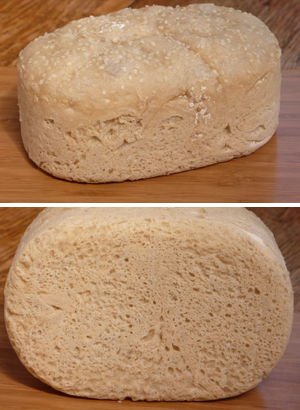
Steamed bread in a wonderbox — turned out fabulous. We left it in the hot water to rise then boiled it for ten minutes and kept it in the wonderbox for 1 hour and 45 minutes. Here is some detail about the wonderbox bread…

I put the whole wheat bread dough in a oiled cereal bag (the waxed-
paper-like inner lining bag in boxes of cereal). Then I twisted up the
end and closed it with a twist tie. I then placed this bag inside a
Reynolds oven bag and twisted up the end of that bag. Rather than
putting the twist tie on at that point, I folded over the twisted end,
making a loop and then secured it with a twist tie, creating a double
reinforcement and less probability of water leaking in. I have heard
it being done in a Zip-loc bag as well, but I was pleased with the
cereal bag and oven bag. When picking a bag, you are concerned with
its ability to withstand the heat of boiling and ability to get a tight
seal when closing as water seeping into the bread will ruin it.

Then I put the dough in a pan of hot water to rise. After it had
risen, I boiled it for ten minutes and then placed the pan with the
dough in it and with the lid on in the Wonder Box. I left it there for
1 hour and 45 minutes. It was perfect. The bread comes out round and
is not browned, but very moist and light. You will not get overdone,
dry bread this way.

BREAD Recipe:

4 cups whole wheat, brown or white flour, or mixed as you wish

1tsp each yeast and sugar mixed, added to ¼ cup warm water

1 cup warm water with 1 tsp salt added

Mix and knead the dough (or add ¼ cup warm water and merely stir it well). Roll the dough in dry flour and place it in an ordinary (crisp, cereal) plastic bag which has had a little oil rubbed around inside.

To reduce time needed for this it can be left submerged in warm water in the wonder box.

When it has doubled its size, it should be brought to boil in the water and boiled for about 10 minutes. Transfer the bread in the pot of water to a wonder box for an hour to finish cooking when it should have a soft “crust”.

I have fielded numerous requests from readers who are making their own wonder boxes, and wanting to know what type of material would be best for the cushions.

Cushions have to be of a soft material that will squish firmly around the top, bottom and sides of your wonder box. Another idea is to use the inners of old, flat pillows.

Another example of making bread in a wonderbox

I have been baking bread in a wonderbox for awhile now. My recipe is for 2 loaves (whole wheat). I put one in the wonderbox and one in the oven. I raise the bread by putting it in a cereal bag that has been sprayed with cooking spray. I put a twistertie on that and then put that in an oven bag, twist it up and then double the twisted part over and put on the twister tie. That part looks like a loop. Anyway I put the bagged dough in a pot of warm water to rise. When it has doubled, I bring the whole thing to a boil and boil for 10 minutes. Then put the whole thing in the wonderbox and go away. Once it was in there for over 8 hours and the bread was still warm. I think the least amount of time has been one hour.
The bread does not have a crust and is usually oval, but it is moist and delicious. In fact when I have people try a bit from the oven baked and the wonderbox, they prefer the wonderbox bread hands down.
So do I.
I have reused the cereal bag. I make my own cereal so I don’t have those kind regularly. I’ve tried ziploc bags for the outside and sometimes they pop open from the rising bread. If it gets under water, the bread is ruined.

Bean Soup
I made bean soup. I soaked the beans over night, then boiled them 20 minutes, and after a couple of hours in the wonderbox, I took them out to put some bean flour in to thicken it and reheated it for another 20 minutes before putting it back in. All together it was probably 6-7 hours in there, but no burning or sticking, and I left it that long because that was when I was using the soup…

BTW, I was using the ice box cooler for the thermal outer container which I placed the bean pot inside. I first wrapped the bean pot in a wool blanket and then put a pillow on top of the pot and blanket before closing the cooler lid. I have also been using a half of a mylar space blanket in the wonderbox and the ice box cooker both to retain heat, but also to keep the wonderbox clean and dry and to keep the wool blanket dry. I think that really helps.

250 Fireless Cooker recipes from 1913

Here is a great little book published in 1913 on how to build your own “fireless cooker” and how to use it.

It contains illistrations and recipes on using thermal cooking for just about any kind and type of food.

http://hearth.library.cornell.edu/cgi/t/text/pageviewer-idx?c=hearth;cc=hearth;sid=14b7dca8103a23f02b82218e70babe06;q1=cook;rgn=title;idno=4463127;view=image;seq=0011

Golden Syrup Scones – thermalcookware.com

Golden Syrup Scones

A favorite winter desert that is so easily made.

Ingredients:
1 3/4 cups of self raising flour
1 tablespoon of butter
1 tablespoon of castor sugar
1/2 a teaspoon of cinnamon
2 tablespoons of Golden Syrup
1 egg, lightly beaten
1/4 of a cup of milk

Simmering time on the stove top: 15 to 20 minutes

Thermal cooking time: 30 minutes minimum

Method:
1. Grease a stainless steel cake tin or loaf tin that will fit into the Shuttle Chef inner saucepan
2. Sift the flour into a bowl and rub in the butter
3. Mix in the sugar and cinnamon
4. Add the syrup and sufficient milk to make a soft dough
5. Knead gently
6. Roll out to fit your container
7. With a knife, cut through the dough to make even sized scones (approximately eight scones)
8. Gently transfer these into the tin and cover with a suitable lid or a sheet of Alfoil
9. Place the tin on a suitable height trivet (if required) inside the inner saucepan
10. Pour in enough hot water to come 2/3 of the way up the sides of the tin
11. Bring to the boil and simmer for 15 top 20 minutes
12. Place the inner saucepan into the outer vacuum insulated container and closed the lid
13. Leave for at least 30 minutes.

Wholemeal Bread or Scones – thermalcookware.com

Wholemeal Bread or Scones

A very simple “standard recipe” bread mix that produces excellent results.

Ingredients:
1 x 12 gram sachet of dry yeast
1 1/2 cups of wholemeal plain flour
1 1/2 cups of plain flour
2 teaspoons of brown sugar
1 tablespoon of oil
1 1/4 cups of warm water
Sesame seeds

Simmering time on the stove top: 20 minutes

Thermal cooking time: 1 hour

Method:
1. Mix the dry ingredients together in a bowl
2. Add the oil and water and mix well together to form a soft dough
3. Turn onto a lightly floured board and knead for about 10 minutes until smooth and elastic
4. Cover with a clean damp cloth and allow to rest for about 10 – 15 minutes
5. Shape the dough into a loaf and place into a large greased loaf tin or two smaller loaf tins
(for rolls, you can divide the dough into 10 even pieces and shape them into individual rolls or buns and place them into greased loaf or cake tins.)NOTE: if you are using the RPC 4500 that has only one single inner saucepan you will need to cook these one at a time.
6. Brush the loaf or rolls with warm milk or water and sprinkle with seame seeds if desired
7. Make a pleat down the middle of a piece or oiled Alfoil (the pleat allows the bread to rise) and cover the bread with the Alfoil
8. Place the loaf tin into the inner saucepan or saucepans and then place the inner saucepans into the vacuum insulated outer container for 40 – 45 minutes for Bread or 20 – 25 minutes for Rolls to allow the dough to rise until it is approximately double in size. NOTE if the weather is cold you can warm the inner saucepan first or pour approximately 2 cm of hot water around the loaf tin.
9.OPTIONAL: Secure the Alfoil around the lip with string or an elastic band to prevent moisture from getting in
10. If you are using the 3 litre inner saucepans place the loaf tin on the bottom and fill around the tin with hot water to 2/3 the height of the tin.
11. If you are using the 4.5 litre inner saucepan you can place a suitable trivet into the saucepan first and then place the loaf tin on this and fill with hot water to 2/3 the height of the tin
12. Bring the water to the boil and gently simmer4 for 20 minutes
13. Transfer the inner saucepan into the vacuum insulated outer container and closed the lid
14. Leave for a minimum of 1 hour
15. Remove and allow to cool on a wire rack
NOTE: You can prepare your breads and rolls in the evening and leave them in the Shuttle Chef all night.

Black Bean Soup – journalofantiques.com

RECIPES: The following recipes are wonderful in a fireless cooker [if you are inclined to make one or to use an antique], as they benefit from long, slow cooking. They are also easily adapted to a crock pot or to the usual low temperature stove top simmering, but for shorter cooking times. Black Bean Soup adapted from Margaret J. Mitchell: Fireless Cook Book, 1909

1 pint black beans
1 quarts water
1 small onion
2 stalks celery
2 teaspoons salt
1/8 teaspoon pepper
¼ teaspoon mustard
Cayenne to taste
3 tablespoons butter
1 ½ tablespoons flour
2 hard-cooked eggs, sliced
1 lemon, sliced

Soak beans overnight, drain and add 2 quarts water. Mince the onion and celery and saute in 1 ½ tablespoons butter; add onion and celery to the beans, and when boiling put them into a fireless cooker for from 8 to 12 hours. Rub the soup through a strainer [or puree in a food processor], add the seasonings and correct to your taste.

Saute the remaining 1 ½ tablespoons butter with flour for 2 minutes, add the resulting roux to the bean mixture, and boil together for 5 minutes.

Pour soup over the sliced eggs and lemon in a soup tureen and serve hot. Boston Baked Beans adapted from Delicious fireless Cooked Dishes, 1919. Pick over one quart pea beans, cover with cold water and soak overnight. In the morning drain, cover with fresh cold water, heat slowly to boiling point, add teaspoon soda.

Again drain beans, throwing bean water out of doors, not in sink, add ¾ pound salt pork, leaving rind exposed. Mix 1 tablespoon salt [if salt pork is not very salty in itself], ½ tablespoon mustard, 1 cup boiling water, and pour over beans.

Then add enough more boiling water to cover beans. Put in bean pot or casserole dish and cook until noon, using one radiator [the soapstone cylinder pre-heated on a stove or in an oven] heated to 450 degrees. Heat two radiators to 450 degrees and replace with beans in cooker. Bake until evening.

If you wish to serve the beans at noon-day meal, start them the night before and use two radiators in morning. When I reheat the radiators for the beans, I put in Brown Bread, and bake it in the same compartment for 3 hours, remove it, and leave the beans in until ready to serve.

Easy Chicken Stew

WFMW – Easy Chicken Stew

Ingredients:

  • 2 chicken thighs (cut into small pieces) – marinate with 1 tbsp oyster sauce, dash of dark soy sauce, dash of pepper for about 20 mins.
  • 2 large potatoes – peel and cut into cubes
  • 2-3 medium carrots – peel and cut into cubes
  • 2 medium onions – peel and quartered
  • 1-2 star anise
  • 1/2 cinammon stick
  • 1 tbs oyster sauce (in addition to 1 tbs used to marinate chicken)
  • 1 tbs dark soy sauce (the thick sort)
  • 2 tbs light soy sauce
  • 1 tbs worchester sauce
  • 1/2 – 1 tbs sugar
  • 2 cups water
  • 1 tbs cornstarch

What I do is put everything into the inner pot of the cooker and bring it to a boil over the stove for about five minutes. Then I remove the inner pot from the stove and plonk it into the outer pot. The stew’s ready 2-3 hours later!

Soups

Onion Soup – thermalcookware.com

A very tasty soup with red wine and herbs

Serves 10

* 1 teaspoon of Olive Oil.
* 3 tablespoons of Tomato Paste.
* 2 kgms of Onions, peeled and sliced into large chunks.
* 10 cloves of Garlic, peeled and crushed.
* 6 Shallots, peeled and chopped.
* 1 kgm of Leeks, slice the white part approximately 6mm thick.
* 1/4 of a tablespoon of Cayenne Pepper.
* 2 1/2 tablespoons of fresh whole Thyme leaves.
* 1 1/2 cups of Red Wine.
* 1 litre of Vegetable Stock.
* 1 teaspoon of Salt.
* 2 Bay Leaves.
* 3/4 of a cup of grated Parmesan Cheese.

Cooking time on the stove: – 15 minutes.

Thermal cooking time: – A minimum of 2 hours.

1. Over a medium heat, brush a large skillet with the Olive Oil.
2. Add the Tomato Paste and cook until the colour darkens, stirring to prevent scorching for about 5 minutes.
3. Stir in the Onions, Garlic, Shallots, Leeks, Cayenne Pepper and Thyme and then cook until the Onions become
translucent and start to caramelize, about 8 minutes.
4. Stir in the Red Wine and bring to the boil.
5. Transfer the Onion mixture to the Cook and Carry pot.
6. Add the Vegetable Stock, Salt and Bay Leaves.
7. Raise the heat and bring it to the boil.
8. Turn off the heat and transfer the pot into the Thermal Cooker.
9. Allow to cook for a minimum of 2 hours.

To serve: -

Ladle the soup into individual bowls and garnish each with about a table spoon of grated Parmesan Cheese.

Pumpkin Soup -thermalcookware.com

A deliciously creamy pumpkin soup with a touch of bacon tang. Ideal for cold winters afternoons and evenings.

Serves 6

* 40 grams of Butter.
* 2 tablespoons of Olive Oil.
* 2 diced Onions.
* 3 cloves of Garlic.
* 3 rashers of Bacon trimmed and diced.
* 1 Massel Vegetable Stock cube.
* 1 kg Pumpkin (preferably Jap) peeled and cut into fairly large chunks.
* 6 stalks of Parsley.
* 1/2 a cup of Milk or Coconut Milk Powder.
* Salt and Pepper to taste.
* Sour Cream and chopped Chives for a garnish when serving.

Cooking time on the stove: – 5 minutes.

Thermal cooking: – 1 hour minimum.

1. Gently fry the onions, garlic and bacon in the butter and olive oil in the pot over a medium heat.
2. Turn the heat down and add the pumpkin and enough boiling water to fill the pot to approximately 80% then add the stock
cube, parsley, salt and pepper.
3. Bring the pot back to the boil and then simmer on a low heat for 5 minutes with the lid on.
4. Turn off the heat and transfer the pot to the outer Thermal Cooker and close the lid.
5. After atleast 1 hour remove the inner pot and puree the soup with milk or coconut milk powder.
6. Serve and garnish with the sour cream and chopped chives.

Garden Vegetable Soup -thermalcookware.com

A delightful chunky vegetable soup ideal for cold winters afternoons.

Serves 6.

* 6 cups of water.
* 1 table spoon of Olive Oil.
* 2 large Onions, peeled and chopped into chunks.
* 1 stalk of Celery chopped into large pieces.
* 2 medium Carrots, peeled and diced.
* 2 cloves of Garlic, peeled and finely chopped.
* 2 medium Potatoes, peeled and diced.
* 1 cup of fresh or frozen green Beans.
* 1 can of Kidney Beans, well rinsed.
* 4 Roma Tomatoes diced.
* 1 tablespoon of Basil chopped finely.
* Pepper and Salt to taste.
* 125 gm of uncooked Pasta Noodles.

Cooking time on the stove: – 10 minutes.

Thermal cooking time: – A minimum of 2 hours.

1. Bring the water to the boil in the pot on medium heat.
2. Heat the Olive Oil in a frying pan on medium heat.
3. Stir fry the Onions and Celery for a minute then add the other vegetables one at a time.
4. Sprinkle with Basil, Pepper and Salt and stir fry well for about 3 minutes.
5. Stir the cooked vegetables into the pot and bring the water back to the boil.
6. Turn off the heat and transfer the pot into the Thermal Cooker for a minimum of 2 hours.
7. When the meal is ready to eat cook the Pasta separately and stir it into the soup on serving.

Chicken Soup – thermalcookware.com

An indispensable base for many dishes, but this broth is perhaps best appreciated just as it is, for both taste and healing qualities.

Chicken Broth
Ingredients:
1 free range chicken (about 1.6 kg)
1 large onion halved
2 small carrots
2 sticks of celery, halved widthways
1 head of garlic , halved widthways
1 teaspoon of black peppercorns
1 tablespoon of sea salt
2 fresh bay leaves

Simmering time on the stove top: 20 minutes

Thermal cooking time: 3 hours minimum

Method:
1. Place the ingredients into the saucepan and pour over enough water to cover the chicken.
2. Slowly bring this to the boil.
3. Reduce the heat and simmer for 20 minutes.
4. Transfer the inner saucepan into the vacuum insulated outer container and cloase the lid.
5. Leave for a minimum of 3 hours.
6. Remove the chicken from the inner saucepan and strain the broth and discard the remaining solids.
7. Remove the meat from the chicken, discard the skin and bones.
8. Coarsely shred the chicken meat.

For Chicken Soup
Ingredients:
Broth from above
Coarsely shredded chicken meat from above
25 grams of butter
2 large onions cut into 1 cm pieces
3 cloves of garlic, crushed
3 small leeks, white part only, cut into 1cm pieces
3 stalks of celery, cut into 1cm pieces
1/2 a cup of coarsely chopped flat leaf parsely
Wholemeal multigrained bread or rolls, warmed to serve.

Simmering time on the stove top: 10 minutes

Thermal cooking time: 30 minutes minimum

Method:
1. Heat the butter in the inner saucepan over a low heat and add the onions, garlic, leek and celery.
2. Cook until the onion is soft.
3. Add the chicken meat and broth, slowly bring to the boil and simmer for 10 minutes.
4. Transfer the inner saucepan into the vacuum insulated outer container and close the lid.
5. Leave for a minimum of 30 minutes.
6. Season to taste with sea salt and freshly ground black pepper, then stir in the parsely and serve with warmed wholemeal bread or rolls.

Lamb Shanks in Rich Tomato Sauce

Boiling time on stove: 15 minutes

Cooking time in Dream-Pot: 5 hours

Ingredients
4 Lamb shanks (each cut into 3 or 4 pieces)
4 tbsp plain flower (season with salt and pepper)
4 tblsp oil
2 cloves garlic
2 onions
2 tsp curry powder
2 tblsp sugar
4 tblsp cornflour
salt and pepper
2@400g tins peeled tomatoes
2 tblsp tomato paste
1 tsp salt
1 pinch dried mixed herbs
2 cups hot water

Method
1. Dust the shanks with seasoned flour
2. Brown the shanks in hot oil in a heavy based frying pan. set aside
3. Saute the garlic and onions in a little hot oil in the large inner pot. Ensure the heat is not too high so that the garlic does not burn. Stir continually
4. Mix the curry powder into the garlic and onion
5. qadd the tomatoes with liquid, tomato paste, salt , mixed herbs and hot water
6. Bring to boil, stirring continually
7. Add the lamb shanks.Stir,Cover with lid an dbring back to boil again , stirring intermittently
8. Adjust heat to maintain a continual gentle boil for 15 minutes, checking and still stirring occasionally
9.Transfer into Dream Pot
10. Prior to serving, thicken the liquid and adjust the seasoning to taste with salt and pepper. To do this, remove the lamb shanks. Place the inner pot back onto the heat and bring back to boil, stirring. Add the cornflour (mixed with a little water to make pourable paste). Continue to stir until thickened. Then add the sugar and extra salt and pepper to taste
11 Return the lamb shanks to the sauce , bring back to boil and serve

I am sure that some of the ingredients in the Cobb thread would add to what looks like a tasty recipe.

The beauty of the Dream Pot is that meals can be prepared well ahead and can be eaten several hours after the completed cooking time (5 hours for shanks).

Pot Roast

innerpot boiling time on stove 30 mincooking time in dream pot 2/hrs

1 1/2 kg piece rolled chuck roast

METHOD

put meat piece into inner stainless steel pot

cover with hot water until the pot is 2/3 full

add seasoning and bring to the boil

when boiling.reduce heat and boil gently low heat for 30 min

transfer stainless steel pot to outer pot for 2 hours

thermo cooking time approx 30 min per 500 g plus another 30 min extra

Bread & Butter Pudding

wafflesBoiling time on stove: 10 minutes
Cooking time in thermal cooker: 1 1/2 hours minimum.

Ingredients:
Ratio:
1 cup milk
1 tblspn sugar
1 egg
Vanilla essence
2 tblspns sultanas
2 slices bread buttered and spread with jam and then cut into fingers
Nutmeg
Coconut
Method:
Warm the milk with the sugar in the small inner pot.
Beat egg and add to warm milk with vanilla. Stir in sultanas.
Place bread on top of milk mixture.
Sprinkle with nutmeg and coconut.
Almost 1/2 fill large inner pot with hot water and bring to the boil
Place the small inner pot into the large inner pot. Put on the lid.
Slow boil for 10 minutes on the stove (as a double saucepan).
Place complete 2 inner pots into the thermal cooker.
Let stand for minimum time.

Corned Silverside

http://www.dreampot.com.au/recipes/corned-silverside/corned_beef_veges_dream-pot 1170289519.jpg

Boiling time on stove: 20 minutes
Cooking time in Dream-Pot: 3 hours minimum

Ingredients:

  • 1.5 kg corned silverside
  • 1 cup brown sugar
  • 1 cup brown vinegar
  • 1 tbs french mustard
  • hot water

Method:

  1. Place all ingredients into large inner pot. Cover until approx. 2/3 full with hot water and bring to the boil, stirring occasionally.
  2. Gently boil on low heat for twenty minutes, covered with lid, checking occasionally that a gentle boil is maintained. If desired, add whole vegetables for the last 10 minutes of the boiling time
  3. Transfer into the Dream-Pot for 3 hours minimum. Can be served after 3 hours, or when travelling, serve at day’s end

Chicken, Sweet Corn and Vegetable Soup

http://www.dreampot.com.au//recipes/vegetable-soup/
Boiling time on stove: 10 minutes.
Cooking time in Dream-Pot: 1.5 hours minimum.

Ingredients:

  • 1 swede
  • 1 large onion
  • 1 turnip
  • 1 parsnip
  • 1 large carrot
  • 1 zucchini
  • 3 celery sticks
  • 1 large potato
  • 1 cup frozen mixed vegetables
  • 1.5 litres boiling water
  • 1 packet cream of chicken soup
  • 1 packet chicken noodle soup
  • 1 cup cold water
  • 1.5 tsp garlic powder
  • salt & pepper
  • 1 can sweet corn including juice
  • 1.5 chicken breast fillets (500 grams)

Method:

  1. Cut vegetables into small cubes
  2. Place all vegetables into large inner pot. Add boiling water. Bring to boil, stirring intermittently.
  3. Add soup mixes,(throughly mixed into the cold water). garlic powder, salt & pepper,sweet corn & diced chicken breasts. Stir well to combine.
  4. Return to boil, reduce heat and gently boil for 10 minutes, with lid on – stirring intermittaently.
  5. Transfer to Dream-Pot for minimum cooking time After 1.5 hours, serve with hot crusty bread or serve at the end of your day’s travel!

Main Meals

Many of the following recipes were found here: http://www.thermalcookware.com.au/main.php?mod=Dynamic&id=23

Click on the individual headings to goto the specific recipe.

Stuffed Cabbage Rolls
An interestingly tasty dish that is visually appealing.

Serves 6.

* 1 head of green Cabbage.
* 1 teaspoon of Cumin Seeds.
* 1 lb (1/2 a kg) of minced Turkey.
* 1 teaspoon of Olive Oil.
* 1 large Onion, peeled and cut into chunks.
* 3 cloves of Garlic, peeled and crushed.
* 1/2 a cup of green Capsicums, seeded and cut into chunks.
* 1/4 of a cup of chopped Parsley.
* 1/4 of a cup of Tomato Paste.
* 1/2 a teaspoon of ground Cumin.
* 1 tablespoon of dried Dill.
* 1/2 a teaspoon of Salt.
* 1/4 of a teaspoon of ground Black Pepper.
* 3 cups of cooked long-grain Brown Rice.
* 1 Egg, well beaten.
* 1 litre of Tomato Juice.
* 2 tablespoons of Corn flour.

Cooking time on the stove: – 15 minutes.

Thermal cooking time: – A minimum of 2 hours.

1. Core the Cabbage with a sharp knife.
2. Place the cored Cabbage in a large pot and cover it with water.
3. Bring the pot to the boil for 3 minutes.
4. Remove the Cabbage and when it is cool enough to handle break off as many leaves as are cooked to a supple softness.
5. You will need 12 leaves so you may have to replace the Cabbage in the boiling water to prepare the remaining leaves.
6. Heat the Olive Oil in a large frying pan on medium heat and toast the Cumin Seeds for 2 minutes.
7. Add the minced Turkey and cook until browned, stirring to ensure the meat is freely broken into small pieces.
8. Add the Onions and Garlic and cook until the Onions are translucent, about 3 minutes.
9. Add the green Capsicum, Parsley, Tomato Paste, Cumin, Dill, Salt and Pepper and mix together thoroughly.
10. Remove from the heat and stir in the cooked Brown Rice and the beaten Egg.

To make the Rolls: -

1. Lay the Cabbage leaf flat and spoon 2/3 of a cup of the filling into the centre.
2. Fold all four sides until they meet in the centre.
3. Tie securely with butchers string and place them into the Cook and Carry pot.
4. When all the rolls are inside pour in the Tomato Juice and use medium heat to bring the covered pot to the boil.
5. Boil for 1 minute.Turn off the heat and transfer the pot into the Thermal Cooker. for a minimum of 3 hours.

Making the sauce: -

1. Make a sauce by stirring the liquid from the cooked Cabbage rolls into a medium saucepan.
2. You should have approximately 3 cups and if there is not enough you can add more Tomato Juice.
3. Remove 4 tablespoons of this liquid and mix it with the Corn flour in a small bowl to make a paste.
4. Bring the liquid in the saucepan to the boil then remove from the heat.
5. Stir in the paste and then return the saucepan to the heat stirring as it comes to the boil to thicken.

Serving: -

1. Cut the Butchers string off the rolls and remove carefully.
2. Place two rolls on each serving plate and cover with the sauce.

Jambalaya
A traditional hot chunky style chicken stew that really brings out the flavours of the deep south.

Serves 6

* A 3.3 lb (1 1/2 kg) whole Chicken.
* 1 Teaspoon of Olive Oil.
* 125 grams (4.4 ounces) of Short Cut Bacon, sliced into approximately 2 cm pieces.
* 3 medium Onions, peeled and chopped into large chunks.
* 3 cloves of Garlic, peeled and crushed.
* 1 Red Capsicum, seeded and chopped into 2 cm cubes
* 1 Yellow Capsicum, seeded and chopped into 2 cm cubes.
* 3 medium Carrots, peeled and finely sliced.
* 2 stalks of Celery, finely chopped.
* 1 tablespoon of Chili Powder.
* 1/2 a tablespoon of Crushed Cayenne Pepper or Paprika.
* 1-1/2 cups of Long Grain White Rice.
* 1/2 a cup of Tomato Paste.
* 3 cups of Ham Stock.
* 1 can of tinned Diced Tomatoes.
* 1/2 a teaspoon of crushed Black Pepper.
* 1/2 a cup of minced Parsley.
* 1 Bay Leaf.
* 1 bunch of Fresh Spinach, remove the stems, rinse well and cut into fine shreds.

Cooking time on the stove: – 17 minutes including frying time.

Thermal cooking time: – A minimum of one hour.

1. Cut the legs, thighs and breast off the Chicken, remove the skin and bones then cut the meat into large chunks and set this aside.
2. Note: – the Chicken discards and bones can be used for a stock for other meals later.
3. Lightly brown the Chicken in the pot then remove it and place it aside for later.
4. Pour the Olive Oil into the pot and add the Bacon and brown it on all sides.
5. Stir in the Onions and Garlic, and cook for 2 minutes.
6. Add in the Capsicums, Carrots, Celery, Chili Powder and Cayenne (or Paprika), and stir until all the vegetables are coated with the spices.
7. Add the rest of the ingredients except the Spinach, bring the mixture to the boil and then turn down the heat to simmer for 15 minutes with the lid on.
8. Turn off the heat and transfer the pot into the Thermal Cooker for a minimum of one hour.

To serve: -

* Spread the Spinach shreds over each plate to form a crisp green nest and then spoon the hot Jambalaya on to this nest.

Poached Herb Chicken
Herbed chicken and vegetables…what more can you say…..just enjoy.

Serves 6

* 1 roasting Chicken approximately 3.75-4.5 lb (1 3/4 to 2 kg).
* 1 cup assorted Fresh Herbs of your choice.
* I teaspoon of Olive Oil.
* 1 medium white Onion, peeled and coarsely chopped.
* 3 large Carrots, peeled and cut into quarters.
* 6 medium Red Potatoes, well scrubbed but not peeled.
* 6 cups of Chicken Stock.
* 1 Teaspoon of Salt.
* 10 whole Black Peppercorns.
* 2 cups of fresh Green Beans.
* 1/4 of a cup of Dijon Mustard.
* 3 tablespoons of Cornflour.

Cooking time on the stove: – 10 minutes.

Thermal Cooking time: – A minimum of 3 hours.

1. Wash and dry the Chicken, removing any visible fat.
2. Stuff the cavity with the Herbs and then put it in the refrigerator until ready for use.
3. Heat the pot on medium and add the Olive Oil and Onions, fry for about 3 minutes.
4. Add the Carrots and continue frying for another 2 minutes.
5. Place the prepared Chicken on top of the Onions and Carrots and then tuck the Potatoes all around the Chicken.
6. Pour the Stock over the Chicken and Vegetables and bring to a full boil.
7. Add the Salt and Peppercorns, skimming off any foam that rises to the surface.
8. Place the Green Beans on top of the Chicken and put the lid on the pot.
9. Turn off the heat and transfer the pot into the Thermal Cooker.
10. Leave for a minimum of 3 hours.

Before serving the meal: -

Make the sauce.

* Take 3 cups of the hot Chicken Stock from the pot and pour it into a fat strainer jug.
* When the fat has risen to the top, pour the “defatted” liquid into a saucepan.
* Remove 1/3 of a cup of this liquid and mix it with the Cornflour in a small bowl to make a paste.
* Stir the Mustard into the saucepan and heat gentle.
* Remove the saucepan from the heat, stir in the slurry and then return to the heat and bring the mixture to the boil to thicken.
* When suitably thickened turn off the heat.

To serve the meal.

* Remove the Chicken from the pot and slice it thinly.
* Serve the Chicken with the Potatoes and Green Beans and pour the sauce over the top.

Spicy Baked Beans
A hot and spicy bean meal that is well accompanied by nachos and dipping chips.

Serves 12

* 1 teaspoon of Olive Oil.
* 2 1/2 cups of chopped Onions.
* 2 cloves of Garlic, peeled, crushed and finely chopped.
* 1 tablespoons of freshly grated Ginger.
* 2 cups of Carrots, peeled and finely sliced.
* 2 cups of Apples, peeled and cored and sliced.
* 1 teaspoon of Cayenne Pepper.
* 1/2 a cup of Tomato Paste.
* 1/2 a cup of Dijon Mustard.
* 2 tablespoons of Worcestershire Sauce.
* 1/2 a cup of Brown Sugar.
* 2 tablespoons of Balsamic Vinegar.
* 1 cup of Tomato Paste or Tomato Sauce plus a half a cup of water.
* 1/2 a cup of Raisins.
* 1/2 a tablespoon of crushed Chili Pepper.
* 1 Bay Leaf.
* 2.25 lb (1kg) of Red Kidney Beans soaked overnight beforehand.

Cooking time on the stove: – 5 to 10 minutes.

Thermal cooking time: – a minimum of 4 hours.

1. Add the oil to the bottom of the pot and fry the Onions over a medium heat for approximately 3 minutes or until they soften and clear.
2. Remove from the heat and add the chopped Garlic, Ginger and Cayenne allowing the mixture to cool for about 30 seconds, stirring to release the volatile oils.
3. Stir in the Carrots and Apples until they are well coated with the spices.
4. Add the rest of the ingredients, stir thoroughly and place back on the heat to bring the mixture to a steady boil.
5. Turn off the heat and transfer the pot to the Thermal Cooker, close the lid.
6. Leave the meal to Thermal cook for a minimum of 4 hours.

Lamb Shanks with Cous Cous
A tasty and hearty meal with the Lamb Shanks tenderised to perfection.

Serves 4.

* 1 cup of Chick Peas soaked over night.
* 4 Lamb Shanks trimmed to fit the pot.
* 1/2 a cup of Flour.
* 4 large Onions cut into quarters.
* 3 cloves of Garlic crushed.
* 1/2 a table spoon of mixed dried Herbs.
* A small bunch of Parsley finely chopped.
* 2 table spoons of Curry Paste (mild, medium or hot as required).
* 3 Potatoes cut into large chunks.
* 4 Carrots sliced thickly.
* 4 large chunks of Pumpkin.
* 3 cups of water or Vegetable Stock.
* 2 table spoons of Tomato Paste.
* Salt and Pepper to taste.
* 400 grams (14.1 ounces) of Cous Cous.

Cooking time on the stove: – 15 minutes.

Thermal cooking time: – a minimum of 4 to 5 hours.

1. Toss the shanks in seasoned flour.
2. Place the shanks, onions, vegetables and herbs into the pot.
3. Mix the curry paste and tomato paste with the stock and add to the mixture.
4. Bring the mixture to a simmer point and add the pre-soaked chick peas.
5. Turn down the heat and simmer for 15 minutes with the lid on.
6. Turn off the heat and place the pot into the Thermal Cooker and close the lid, leaving it for atleast 4 to 5 hours.
7. Cook the cous cous separately as per the packet direction when you are ready to eat.
8. Serve the cous cous as an accompaniment to the main meal.

Simple Lamb or Beef Stew
A delightfully hearty meal for lunch or dinner especially when the weather is colder.

Serves 6.

* 2.25 lb (1 kg) of Lamb or Beef cubed into large pieces.
* 2 tablespoons of plain Flour.
* 1 tablespoon of Olive oil.
* 2 large Onions cut into quarters.
* 2 cloves of Garlic crushed.
* 1 stalk of Celery sliced into medium pieces.
* 1 Parsnip cubed into small pieces.
* 1 Carrot cubed into small pieces.
* 2 Potatoes cut into quarters
* 1 packet of dried Green Peas.
* 1 Massel Vegetable Stock Cube.
* 2 table spoons of Soy Sauce.
* 1/2 a cup of Barley.
* 3 cups of water.
* Salt and Pepper to taste.

You can vary this to suit your tastes by the following: -

* Add some mixed Herbs, either dried or fresh.
* With the beef you can substitute one cup of water for a cup of Red Wine.
* You may add two table spoons of Thai Red Curry Paste.
* You may also add a tin of Tomatoes however you will need to adjust the water amount to compensate.
* You may also substitute Frozen Vegetables for the fresh mentioned above.

Cooking time on the stove: – 12 to 15 minutes.

Thermal cooking time: – A minimum of 3 to 4 hours.

1. Heat the oil in the pot and cook the onions and garlic over a medium heat until they are transparent.
2. Remove the pot from the heat.
3. Toss the cubed meat in seasoned flour.
4. Add the vegetables, soy sauce and water to the pot with the cooked onions and garlic,
5. Bring the contents to the boil over a medium heat and add the Meat, Barley, Stock and Dried Peas.
6. Reduce the heat to a slow simmer for 12 to 15 minutes with the lid on, stirring occasionally.
7. Turn off the heat and transfer the pot into the Thermal Cooker for a minimum of 3 to 4 hours

Coq au Vin
A very tasty chicken dish rich in mushrooms, bacon and herbs. One that will have them coming back for more.

Serves 6.

* 3-3.3 lb (1 1/2 kg) of Chicken pieces.
* 3 slices of Bacon.
* 4 Spring Onions chopped.
* 4 small Onions sliced.
* Some Olive oil for frying.
* 250g of button Mushrooms.
* 2 cloves of Garlic crushed.
* 1 tablespoon of dried Thyme.
* 8 small Potatoes, scrubbed and halved.
* 1 cup of Red Wine.
* 1 cup of Chicken Stock.
* A small bunch of Parsley finely chopped.

Cooking time on the stove: – 10 minutes

Thermal cooking time: – A minimum of 1 hour

1. In a large frying pan, fry the chicken pieces until well browned on all sides.
2. Remove these and place them to one side.
3. In the same pan brown the bacon and spring onions and then remove them to one side.
4. Place the onions, mushrooms and garlic into the pot.
5. Add the chicken, bacon, spring onion, salt and pepper to taste, thyme, potatoes, wine and stock.
6. Bring the contents to the boil with the lid on and then turn down the heat to simmer for 10 minutes on low.
7. Turn off the heat and transfer the pot into the Thermal Cooker and close the lid.
8. Leave to Thermal cook for a minimum of one hour.

Recipes above were found here: http://www.thermalcookware.com.au/main.php?mod=Dynamic&id=23

Corned Silverside.

1 ½ to 2 kilogram piece of Corned Beef (choose a square cut piece to fit easily)

2 Bay leaves

1 large Onion

3 strips of Orange peel

4 Cloves

2 tablespoons of Brown Sugar

1 cup of Balsamic Vinegar

1 tablespoon of Mustard

½ a tablespoon of Peppercorns

Water to cover.

Simmering time on the stove top: 30 minutes

Thermal Cooking time: 3 to 4 hours minimum.

Place all the ingredients into the inner pot.

Bring the contents to the boil.

Reduce the heat to a simmer.

Simmer gently for 30 minutes with the lid on.

Turn off the heat and transfer the inner pot to the outer Thermal Container.

Leave to complete the cooking for 3 to 4 hours minimum.

You can add the required vegetables whole with the corned beef while it is being simmered or else you may wish to freshly cook vegetables to serve with the corned beef when you are ready to eat.